
Thousands of Sufi Muslims Gather, Reviving the Values of Simplicity and Brotherhood
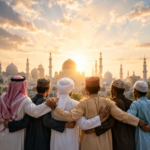
Thousands of worshippers from various regions once again come together in a tradition that has been passed down for generations among followers of Sufi orders: grand gatherings of remembrance (dzikir) and fellowship that reaffirm two core values of Sufi teaching — simplicity in life and brotherhood among fellow human beings. Gatherings like this are a familiar sight across Indonesia, from the haul (death anniversary commemorations) of saints and spiritual masters to the regular dzikir assemblies held by followers of Sufi orders such as Qadiriyah, Naqsyabandiyah, and Syadziliyah.
A Tradition That Endures Amid Modern Society
Amid the fast-paced and materialistic currents of modern life, gatherings like these become a space for worshippers to realign their hearts. Participants come not to display wealth or social status, but to sit together in simplicity: seated on mats, dressed modestly, and sharing simple meals. This spirit reflects one of the fundamental teachings of Sufism — that true greatness lies in humility and modesty, not in worldly grandeur.
The solemn atmosphere typically begins before dawn, as worshippers arrive from various cities and even provinces. Chants of dzikir, salawat, and wirid are recited together, creating a spiritual resonance that unites thousands of hearts in a single rhythm. There are no barriers between rich and poor, officials and ordinary citizens — everyone sits side by side, sharing space and food as a tangible expression of ukhuwah, or Islamic brotherhood.
Brotherhood as the Spirit of Sufi Orders
In Sufi tradition, the concept of brotherhood, or ukhuwah, is not merely a slogan but the very core of communal life within a tarekat (Sufi order). The relationship between a spiritual guide (mursyid) and disciple, as well as among fellow disciples, is built upon a spiritual bond that transcends ordinary social ties. This bond is often described as stronger than blood relations, because it is united by a shared purpose: drawing closer to God.
This value of brotherhood is also what makes Sufi gatherings a powerful social bridge in diverse communities. In many regions, Sufi orders have played a role in bridging differences of ethnicity, background, and even religion, by emphasizing universal ethics such as compassion, tolerance, and mutual cooperation. This spirit remains relevant as a counterbalance to the social polarization that often arises from differing views or political interests.
Simplicity as a Spiritual Path
Alongside brotherhood, simplicity is a central lesson instilled in every Sufi gathering. Spiritual masters often remind their followers that worldly luxury is not the measure of one’s standing before God. On the contrary, the more a person is able to free themselves from dependence on wealth and status, the closer they draw to purity of heart.
This value is reflected in the wisdom passed down by great Sufi teachers, who emphasized that the path to purity of heart is traveled through humility, not material achievement. In practice, this simplicity is visible in how worshippers dress, how they sit together without regard for social hierarchy, and how they enjoy modest meals with genuine gratitude.
Answering a Spiritual Need in the Modern Era
The phenomenon of thousands of Sufi worshippers gathering can also be read as a response to the spiritual emptiness felt by parts of modern society. Amid the pressures of urban life, economic competition, and the constant flow of digital information, many people seek a space to calm their inner selves and find deeper meaning in life. Dzikir gatherings and fellowship assemblies within Sufi orders offer one answer to that need.
The presence of thousands of participants from different age groups, professions, and regions also shows that Sufi teachings continue to hold appeal across generations. Young people searching for peace amid the complexities of digital life sit alongside older generations who have long walked the path of Sufism, all immersed in a shared spirit: reviving noble values that are increasingly eroded by individualism and consumerism.
Conclusion
These grand gatherings of Sufi order followers are not merely religious ceremonies, but a collective reminder that Islam teaches a balance between closeness to God and care for fellow human beings. The simplicity and brotherhood revived in these Sufi assemblies serve as a relevant example for society at large, regardless of religious or social background — a message that inner peace and social harmony can indeed grow together, beginning with a heart that is pure and humble.



Leave a Reply